“Truly I tell you, if you have faith as small as a mustard seed, you can say to this mountain, move from here to there, and it will move. Nothing will be impossible for you” -Matthew 17:20
Jesus speaks this shocking declaration to His disciples. When I read this scripture I had questions. Does this mean that if we have enough faith, we can do anything we want? If we believe hard enough, can we accomplish miraculous things?
I’ve heard many people say this is the case. It’s just hard to believe, that we will get whatever we want. However, if we look at the context of the passage, or even the Bible as a whole, we begin to see that using faith in done sort of magical power is not what I think Jesus was advocating.
Faith is not a mustering of will or a power to wield. Faith comes from trusting in God and His will.
If we go back to the context of this verse we can begin to understand what Jesus is saying. In Matthew 17, Jesus had just come down from the mountain where He was transfigured into His divine nature. From my reading, this signified a moment where Jesus’s true identity as the Son of God is made evident.
Then the following occurs in Matthew 17:14-20:
In context, the problem being addressed is that the disciples could not drive out the demon because they had too little faith.
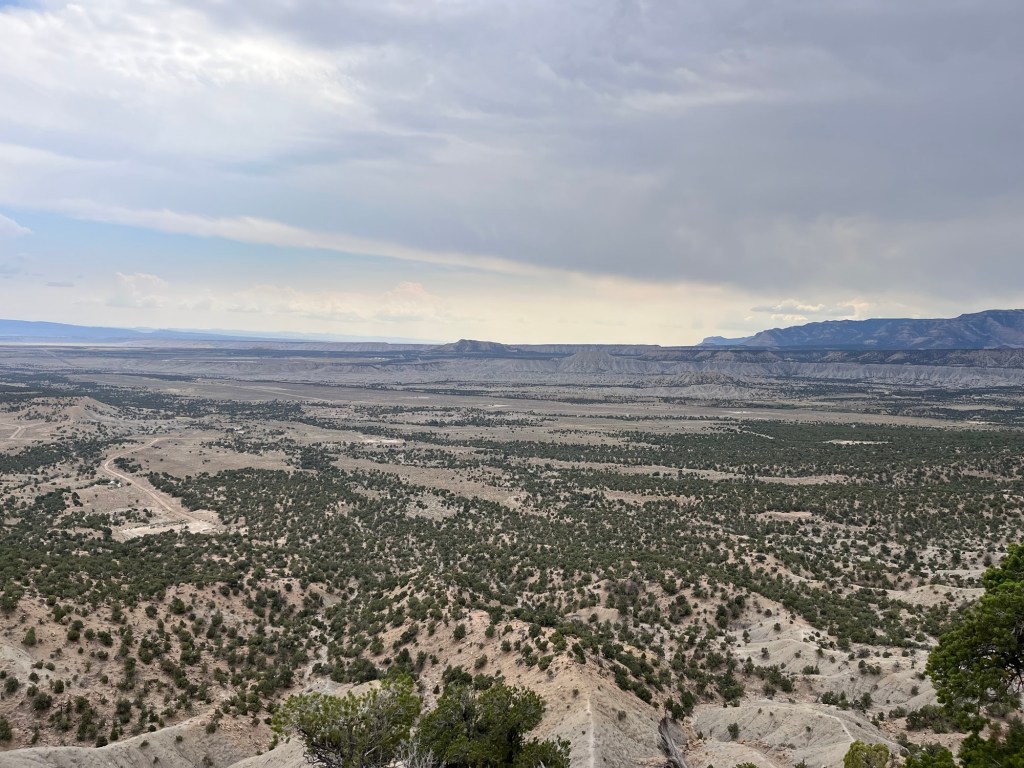
Here the mountain Jesus is alluding to is the demon-possessed boy. Jesus is making a point that even the tiniest bit of faith -the size of a mustard seed, could accomplish great things. If the disciples had even the smallest bit of faith, they could do great mountain-sized things.
My mind has been on what the difference is between inheriting and entering the Kingdom of heaven. Is there a difference?
This is what I have found: entering heaven refers to our immediate destination after we die (if we believe) to be in God’s presence, which is achieved through faith in Jesus. Inheriting the Kingdom of God, however, signifies a fuller entitlement and ownership within the kingdom, this requires a transformed life of obedience and endurance. While all believers enter heaven, not all believers will “inherit” the kingdom, in this deeper sense. These two concepts are deeply connected.
Entering Heaven:
We can enter heaven through a spiritual rebirth and faith in Jesus’s sacrifice which grants eternal life.
This destination is secured by God’s grace through faith. It involves being “born again into God’s family.
Inheriting the Kingdom of Heaven:
Inheriting the kingdom of God implies a deeper participation and ownership within God’s eternal rule, becoming co-heirs with Jesus.
It requires more than just belief, it necessitates a life lived in obedience to God and in perseverance.
This is an entitlement that comes through being a committed disciple of Jesus, demonstrating the fruits of the Spirit, and maintaining faith and transformed living.
Entering Heaven is like a prerequisite and parallel to inheriting. Inheriting the kingdom represents a deeper reward abs status for committed believers.
Heirs by faith, subjects by choice.
All who believe in Jesus are “children of God” and are spiritual heirs. But inheriting points to those who live in a way that reflects our status as co-heirs, in an active sense.
The question is do we want to enter heaven, or do we want to inherit the kingdom? It’s something to think about.
While this is a Biblical Concept. There are no scriptures that speak about this, maybe only my thoughts working overtime.
Share a lesson you wish you had learned earlier in life.
I wish I would have learned about the power of forgiveness.
Forgiveness is one of the most powerful, yet difficult lessons we can learn. It’s not just about leaving someone off the hook it’s about freeing yourself from the heavy burden of resentment.
It took me many years to realize that forgiveness is an act of self-healing.
It takes courage to forgive. It’s easy to lash out, stay angry or seek revenge.
I wish someone would have to told me, that it takes forgiveness to start healing. That forgiveness is a sign of inner strength, not weakness.
Forgiveness isn’t about forgetting, it’s about choosing peace over pain. That peace is more valuable than carrying the weight of a grudge.
That, in learning to forgive we become wiser, lighter, and freer.
Unforgiveness only poisons your soul. We cannot expect to heal, if we have unforgiveness or bitterness in our heart.
I have been reading Ecclesiastics I’m the Bible this morning. It is a lament written by King Solomon, on what he has learned through his many mistakes. This is just a breakdown of the lesson of this book.
This book uses the word “vanity” to describe how all worldly things, money, power, pleasure, and success are ultimately meaningless and as elusive as smoke or wind. Every thing in the world is temporary.
Life is a characteristic by lack of certainty and fairness, and we have limited control over our destiny’s or the outcomes of our endeavors.
The temporary nature of life and the finality of death mean we cannot take worldly possessions and accomplishments with us.
I think we need to live in the light of these truths.

Find Joy in God’s gifts
Despite life’s frustrations, we should find a way in the good things that God provides, such as food, drink, and the fruits of our labor, and recognize these things as gifts from God.
Live a God Centered life
Our true purpose is not found in self-centered pursuits, but in a God-centered worldview, recognizing our dependence on our Creator and live according to principles.
Trust God’s timing
We need to understand that there is a “time for everything“ this encourages, patience, discernment,and faith in God‘s perfect plan, which can unfold according to His sovereign timing.
Hope in God’s ultimate judgment
The hope for God future judgment provides a framework for integrity and justice, this assures that every deed will be eventually brought to light and accounted for.
Ecclesiastes teaches us that the keys were meaningful life if you embrace the reality of a fallen world, but also finding purpose and lasting joy in God.
It calls us to live with integrity, recognizing God’s sovereignty, and ultimately finding fulfillment, not in fleeting earthly things, but in fearing and obeying God.
Faith, we acted on, can enable people to act courageously in trials and believe in the impossible. Through it was can experience God’s intervention for miracles, like Peter walking on water, Noah building the ark, and even the bleeding woman’s healing. Faith is a path to spiritual growth, a foundation for salvation. It means to live a life being what is thought possible.
Faith empowers belief when things seem impossible. It leads to acts of divine power. There’s a young man who started coming to my church about a month ago. He was struggling with alcoholism. A few weeks ago he said the “sinners’ prayer” and last week he was baptized he chose to give his life to Jesus and walk with him. He had faith that God could help him. When he was baptized there were only a few other people to watch him promise to walk with God. Only a few people from the church. I felt that as a church, we should have been there to support him. I can only say for myself how I would feel if I were struggling and chose to be baptized and the people who were supposed to be there for support were not. I can’t say that would give me much hope. I choose to have faith that this young man will be rid of his alcoholism completely. And will support him in any way possible.
I see many people growing weary of doing good. Galatians 6:9-19 encourages us to trust in a future harvest. Too often we can have an overwhelming feeling to give up. The world is becoming a dark place, and we are called to be a light.
The biblical definition of Idolatry is “any worship, veneration, or extreme attachment other than the One true God, placing it at an equal or higher position of authority and affection than the Creator.” Idolatry can manifest in various forms, including physical objects, ideas, or even oneself.
One key factor in idolatry is the “idol of self.” This is prioritizing one’s own interests and desires above all else, leading to a distorted sense of worth and purpose. When we as Humans tend to focus solely on ourselves constantly it inadvertently places our own desires on a pedestal, we effectively end up worshipping our own identity and ambitions.
There are a few signs of self-idolatry I think we need to begin to recognize to be able to turn back to God and not fall into a pattern.
Self-centered decisions: Making choices that only benefit ourselves without considering others.
Pride and ego: Believing one is superior or more important than others.
Neglecting Relationships: Failing to nurture connections with family and friends due to self-absorption.
Materialism: Valuing possessions and status over spiritual or community well-being.
The Bible warns us against Idolatry, emphasizing that true worship belongs to God alone. In Galatians 5, it talks about various acts of the flesh, including selfish ambition and idolatry, and are listed as behaviors that can lead us away from spiritual fulfillment.
I see myself as a gentle leader. I lead by example. Strength and clarity is about guiding others with quiet confidence.
I don’t see gentle leadership as a weakness. It’s about staying calm, being grounded under pressure, but also commanding respect through presence, not volume.
I can hold people accountable, without shaming them. It’s about leading with compassion, kindness, and empathy, while still maintaining clear standards, and accountability..
It’s about serving others and building trust. Being an honest communication my active listening. This requires emotional intelligence and the strength to hold people accountable with grace, not weakness.





 From Pity to Praise