

Principles Of Personal And Civil Liberty
Devine Identity And Purpose
God is our Heavenly Father. He has endowed each of His children with the gifts of life, the freedom to choose, and a Devine identity and purpose. Civil Liberty is founded on truth that these are inalienable, God-given rights.
Liberty through Christian Self-Government
God has given us the freedom to choose Liberty and eternal life through Jesus Christ, or captivity and death. As we seem to obey the teachings of the Lord Jesus Christ, and receive His grace, we will experience Liberty. Civil Liberty can exist only when there is widespread adherence to moral law by self-governed individuals.
Christlike Character
Jesus Christ is the standard of character and the model of all virtues. Through His Atonement we can become like Him. America’s heritage provides examples of men and women who were liberated by obedience to the teachings of Jesus Christ, and who sought freedom to develop and express Christian character. America became the seedbed of civil liberty because of inspired reliance upon Christian principles.
Conscience, The Most Sacred Of All Property
God has granted each of us stewardship over our individual souls, labor, and possessions. The most sacred stewardship God has given us is our conscience. We experience liberty as we follow our conscience. We experience liberty as we follow our conscience, which is the light of Christ within us. In the civil realm, liberty depends upon protection of the rights of property, including the property of conscience.
The Family, Religion, And Civil Government
Personal and civil liberty depend upon the protection and vitality of three realms: The family, religion and its expression,and civil governmental power. These internal restraints protect individual accountability, the rights and responsibilities of family, and religion and its expression.
Cultivating Self–Government In Others
Individuals who experience liberty through Christ seek to bless others with this liberty. Christ’s followers are obligated to cultivate and protect the right of self-government for all mankind. Civil liberty is best protected with the decision-making authority of government resides at the level that is closest to those affected by its decisions.
Fullness Of Liberty Through Unity With God And Man
The ultimate purpose of God’s plan of happiness is to enable us to experience a fullness of liberty. This is possible only through unity with God, our families, and our fellow man as we experience the atoning power of Jesus Christ. Uniting as self-governed individuals enables and strengthens civil and personal liberty, and magnifies the potential of all.
What can kindness and generosity do for you?
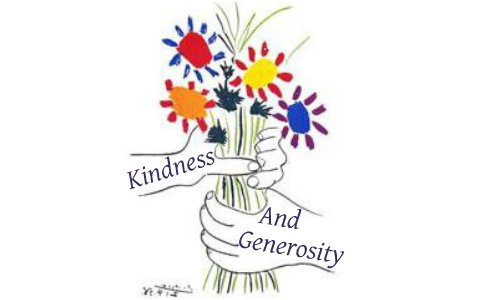
Kindness And Generosity, The Path To Happiness
“No One Can Sincerely Try To Help Another Without Helping Themselves –Charles D. Warner-
Giving from the heart brings happiness. That’s a universal truth.
One of the underlying qualities that motivates us to give is kindness-a quality that takes an active interest in the welfare of others. Kindness is often shown through helpful acts, friendliness, hospitality, and a warm-hearted demeanor.
Closely connected to giving and kindness is generosity, which is defined as the quality of being selfless and willing to give freely.
The Result? Happiness
Yes, the path of happiness is paved with acts of kindness and generosity. Here are three ways in which you can show those qualities and reap joy.
Give with Kindness and Generosity
Thoughtful giving requires awareness of the needs of others and taking positive actions to fill that need. One of the simplest and most rewarding ways to showing kindness and generosity is giving of yourself, your time, and your energy.
Some believe that true, selfless kindness and generosity, with no expectation of something in return, doesn’t exist. To be able to give in that way means you need to analyze your motives for giving, quell the ego that fuels your pride, and change the perception you have of others. For a truly selfless person, the results of giving count, no matter who does it. In other words, you should be just as happy if someone else gives with kindness and generosity as you would be if you had a part in it yourself.
It is easy to have that kind of mindset? Not always. But it certainly has its rewards. Although the expectation of getting something tangible back is minimized, generous and kind acts that are selfless yield their own return. They heighten your happiness by releasing feel-good chemicals in your brain.
Moreover, giving is contagious. Every generous and kind thing you can do can spread positively to others. To transfer a Spirit of kindness and generosity, all you have to do is begin with a heartfelt, positive behavior that appeals to other people’s emotions and that they can easily imitate.
A few week ago, I volunteered to make snow cones at a fundraiser. A gentleman paid for 2 snow cones and then brought 2 snow cones for the people behind him, then the people he brought two snow cones for the people behind them, this went on for 4 times, until some one came along and broke the cycle. They people who received free snow cones went away happy knowing they brought some ones snow cones it brought a positive atmosphere out. One person showed kindness and generosity and a few kept it going.
Respond With Kindness And Generosity
Just as important as taking the initiative to give is responding with kindness and generosity. That’s easy when you are the recipient. Every kindness shown to you is an opportunity to reciprocate freely.
Sometimes, you may not get the chance to respond in kind to the one giving to you, but that doesn’t mean you can’t respond. Why not transfer your response to someone else and pass on the generosity and kindness shown to you? Giving is contagious, especially if it’s passed on to a variety of people.
The hardest thing about responding with kindness and generosity when you are treated with unkindness. Nor responding in kind in that situation is what yields its rewards. Instead, your kindness is shown by understanding that they are just as human and fallible as you are, and you don’t know what impulses they may be acting upon them at that very moment. Your generosity let’s you give the. A wide berth and abundance of patience.
If everybody would aim for that type of kind and generous response, even when provoked, our world would be a totally different place. You have the power to take the first step, make a change, and transform our society.
Be Kind And Generous To Yourself
One of the hardest things for any is to show ourselves the same kindness and generosity helps you to grow. It boosts your feelings of self-worth. And that, in turn, allows you to give more to others. When you feel confident and good about yourself, you tend to inspire those around you.
Inner growth isn’t easy, it takes patience, self-compassion, and persistence. It isn’t about feeling good or putting yourself on a pedestal. It is about showing respect and compassion for yourself, it’s about sending yourself a message that will motivate you long into the future to be a kind and generous person with everybody.
Kindness and generosity are beautiful qualities. They involve expressing heartfelt interest in the welfare of others by word and deed. A generous and kind act can give us conform and reassurance. It helps us to realize that someone cares. And it makes us happy.
Why Do We Believe Our Own Lies?

Why Do Believe The Lies We Tell Ourselves.
Ways to stop believing our own lies.
“You have 15 minutes to sleep, you’re fine. Hit the snooze button.”
“You don’t even have to get up for another… Crap I’m late!”
I had this early morning conversation with myself so many times. I call it “Morning Trickeries.” Somehow, my sleepy brain convinces me that I have a limitless amount of hours to get ready in the morning. Then as I later speed down the highway, I think back with a clear mind and I’m baffled at why I thought I could hit snooze three more times.
I’m sure we have all done this one or twice.
I wish I could say that this was only time my thoughts lied to me. But it’s not. In fact, there are times when I feel like I’m in a battle with my mind all day long.
“He’s mad at me.”
“I’m not pretty.”
“My friends must be sick of me.”
“My life will never amount to anything.”
“I’m completely alone.”
This is an example of the kinds of things that cross my mind just about every other week. And when these lies are whispering, sometimes screaming , at me all day long, they begins to try and control me.
What originated as some silly. Insecure thought is now affecting my relationship with my husband, my friends,and my family.
While they begin as little lies, they start feeding off each other and grow into what I perceive as truth. Then, those “truths” begin to determine my mood. My moods begin to determine my actions and what originated as some silly thought has ruined my how day.
Suddenly I’m buying into the lies in my head, my anxiety roars. My heart is racing, the thoughts grow darker, and I basically think myself into a deep hole.
All stemming from one untrue, fake, stupid lie. A passing thought that was never based on fact.
But where did that lie come from? How did it get there? There had to be some reason I thought it in the first place, right?
I have a guess, and I’m just throwing it out there:
The lies come from my heart. I’m not talking about literal beating organ inside my chest, but the innermost keeper of emotion, past hurts, and all the feels. You know what people say “Follow your heart.” Yeah, that’s my heart I’m talking about.
The ironic thing about that phrase is that the “heart” we are supposed to be following is also the heart that’s often disconnected from reality, confused with baggage and shifting emotions, effected ever so easily by the change of the weather, feeding our mind with insecurity and entitlement. In fact , the Bible says that the heart is deceitful and desperately sick! This is the heart we are supposed to be following?
Perhaps someone once broke your heart, you were exposed to hurtful things at a young age, or your eyes have been clouded by ridiculous commercials telling you what perfection looks like. We all have reasons why our hearts might be sick. And I certainly have my own. But guess what, all of our hearts are broken in this way.
I know I must sound like a negative downer right now. But I’m not saying this to discourage you but to encourage you that you are not alone. These is nothing distinctively wrong with you.
Though, here’s the good news: There are ways to combat against the lies.
Realize That Your Thoughts Are Not Always True.
Do not immediately accept them as fact. And be very careful with the whole idea of following your heart. Odds are that ranges of fleeting emotions are trying to lead your heart. And remember, your emotions are not always a reflection of reality.
Do not allow those thoughts to quietly marinate inside your brain. Get them out before they grow into life-sucking monsters. Tell someone.
I have a few people that I always turn to when I start going down the dark path of lies. I can call them or go to breakfast with them and basically say, “Okay, this is how I’m thinking. This is what I feel. Am I crazy? Am I wrong?
They always bring me back to reality. I often have to take down any defensive wall I may put up, because I need someone to tell me I’m wrong.
There are a important caveat here: always make sure the person you’re confiding in loves you, believes in truth, and isn’t afraid to tell you the truth. If this is simply an opportunity to vent and to have someone affirm your feelings, it will end up being more harmful than keeping your thoughts to yourself. I’ve been there it’s not fun.
For me, the last thing I’m about to tell you is vitally important.
Sit down, grab a Bible, and find God.
I hold nothing back. I say exactly what I’m thinking and I ask Him for help out of the pit I’m in. I compare my thoughts with the thoughts of God as I turn the pages in the Bible.
And then the next day, and the next. This is not always an instant fix. Sometimes it is, and sometimes it is and sometimes it isn’t. But the words I’m reading are true.
If I keep reading, keep waiting, keep praying, keep seeking accountability, keep fighting back, and keep feeding my heart with things that are true, I am brought back to center.
If you haven’t found God and you think I’m crazy, hear me out. I have tried working through the mess in my brain on my own so many times. It’s lonely, it’s exhausting, and it’s never successful in the long run.
Start asking questions. Look for a friend who might be able to help you through those questions. I can promise you, from my experience, this will change your entire life.
We All Have A Choice To Focus On The Truth. And When We Do. We Will Always, Eventually Wake Up
No, it doesn’t always fix me right away. But that doesn’t mean I give up and lose the fight against the lies. If I did that, I would be choosing to be miserable. I have a choice to be miserable or focus on the truth.
Rest In The Lord
Wisdom And Discernment
Run Towards The Roar
When antelopes hear the sound of a lion’s roar their instinct tells them to run in the opposite direction. Doing so, hosever, means they run to almost certain death because lions expect their prey to do just that. The male of the pride anticipates where the antelope will run while the lionesses lie in ambush opposite the male. When the Lion roars, the startled antelopes run directly into the jaws of the waiting lionesses.
In our life, we will experience pain. We will experience tragedy. We will be frightened.
Pain is terrifying. Pain can be blinding. But pain cannot kill you.
When we experience pain, when we experience tragedy, when we are frightened we must stand strong. Dig deep. Do not panic,
Run towards the pain.
Run towards the fear.
Run towards the roar.
When we are faced with great danger and when people panic and seek false sense of safety, we must run towards the roaring and go where we fear to go. When we face our fears we can find safety and a way through. When the world rattles and the end seems near, go towards the roar.
We often turn our backs to the things that cause us fear or stress. What if these fears were the roars in our life that we ran towards and brought increase faith to our lives?
How To Rest In The Lord When Your World Is Upside Down
Our culture basks in busyness, wearing stress and lack of sleep like a badge of honor. Many Americans don’t use their allotted vacation days and they are likely to bring their work home with them. Work provides our identity with busyness assuring our status. Stimulants like caffeine and sugar provided the means to get moving in the morning while sleeping pill, alcohol, and herbal remedies enable us to forcibly shut down our bodies and minds to get fitful sleep before starting it all over again because, as the motto says, You can sleep when your dead.”
But is this what God intended when He created man in His image in the garden? What does it mean that God worked for six days and then rested on the seventh? In the Bible, rest is more than the absence of work. Rest demonstrates where we place our trust for provision, identity, purpose, and Importance. Rest is both a regular rhythm to our day and our week as well as a promise with fuller future fulfillment, “So then, there remains a sabbath rest for the people of God for whoever has entered God’s rest has also rested from his works asGod did from His.” -Hebrews 4:9-10-
What Does It Mean To Rest In The Lord?
The word that is used of God resting on the seventh day in Genesis 2:2 is sabbath, the same word that will be used later calling Israel to crease from their normal activities. In the creation account, God established a rhythm for us to follow, both in our work and in our rest, to maintain our effectiveness and purpose as created in His image. God established a rhythm to the days of creation that the Jewish people continue to follow which demonstrates a contrast to an American perspective on work. As God’s creative work is described in the Genesis account, the pattern to end each day states “And there was evening and there was morning.” This rhythm is reversed from how we perceive our day.
From our agricultural roots to the industrial area and now to modern technology, the day begins at sunrise. We start our days in the morning and ends at night, expending energy throughout the day to collapse when work is done. What is the implication, then of practicing your day in reverse? In an agrarian society, as was the case in Genesis and through much of human his, evening meant to rest and sleep because it was dark, and you couldn’t work at night. God’s creation order suggests that we start our day I. Rest, filing our buckets in preparation to pour then out in work the following day. By putting evening first, God established a priority in our identity and value. Work is not a result of the fall and sin it is instead a blessing in that we find purpose and productivity in joining God in His creative work by subduing the earth and exercising dominion over it. -Genesis 1:28-
Ordering, organizing, naming, and subduing God’s good creation establish man’s role as God’s representative within His creation, ruling the earth. Work, though good, must be kept in balance with rest so that our pursuit of productivity doesn’t come to represent the entirety of our purpose and identity. God did not rest on the seventh day because the six days of creation wore Him out. God rested to establish a pattern for us to follow in enjoying the goodness of our created being without the need for being productive. One day in seven set apart for rest and reflection on the work we have completed requires us to acknowledge our dependence on God for His provision and freedom from finding our identity in our work. In establishing the sabbath as the fourth commandment in Exodus 20, God is also demonstrating a contrast for the Israelites from their rules as slaves. Egypt in which work was mandated hardship to demonstrate His love and provision as His people.
Why wouldn’t this be true for all people anywhere.
We can’t do it all. We can’t get it all done, even with 24 hours a day and seven days a week. We must relinquish our attempts at earning an identity through our work and rest in the identity God provides as love by Him and free to rest in His provision and care. This desire for autonomy through self-definition forms the basis for the fall and continues to plague our functioning in relationship to God and others today.
The serpents temptation to Eve exposed the challenge of dependence with the consideration of whether we rest in God’s wisdom or whether we want to be like God and make the choice of good and evil for ourselves. -Genesis 3:5-
In choosing to take the fruit, Adam and Eve chose independent over dependence on God and we continued to struggle with this choice every day. God’s call to rest, both in the order of our day and in the rhythm of our week, hangs on whether we can rely on God to take care of us while we cease from work. This theme of the pull between dependence on God and independence for God and the rest He provides is a critical thread of the Gospel throughout Scripture. Sabbath rest requires our acknowledgment that God is in control and we are not our observance of Sabbath rest than becomes a reflection and celebration of this provision and not just a cessation of work.
This shift in the underlying of rest as dependence on God and consideration of His provision, love, and care in contrast to our pursuit of independence, identity, and purpose through work has important physical implications, as we have noted, but has ultimate critical spiritual implications as well.
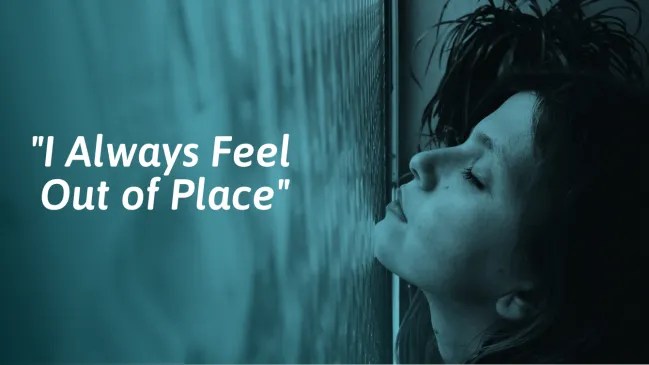
Standing Out: When You don’t Fit In
We all want to be liked, cherished, and appreciated by our peers. But what if I told you that God cares less about these things? What if told you that God doesn’t care how many Facebook friends, or how many people follow you on Twitter? And what if I told you that God isn’t worried about how popular you are? In fact, what if I told you that the purpose of the Gospel isn’t to fit in at all, but to in fact stand out.
Do not conform to the pattern of this world, but be transformed by the renewing of your mind. –Romans 12:2-
In today’s worth-seeking world, being “liked, ” or “wanted” is something we all yearn for. And whether we want to admit it or not, it’s how our culture forces us to feel, and not to mention it’s how our culture advertises us to feel.
The World Says:
Failure is not an option.
“If you are not first, you are last.”
“If your not somebody, you’re nobody.”
But when we begin to look into the depth of Scripture, none of those are actually true.
God has called us to be different. To stand against the grain. To be a city on a hilltop. (Matthew 5:14) And to be the change for the world that lacks hope.
Realizing you don’t fit in is a good thing. We weren’t made to fit in. We were made to fulfill our calling in Christ. We were made to fit out.
Stand Tall. Press On.
Don’t Fit In?
 From Pity to Praise