

No Reason To Hurry

No Reason To Hurry
This is a high-strung, neurotic, impatient age. We hurry along for no reason- just to be hurrying. This fast paced age has produced more problems and less morality than previous generations, and it has given all of us jagged nerves. Impatience has produced a new crop of broken homes, or more ulcers, and had set the stage for wars.
We all seen the headlines about attacks on our country and a spiraling political conflict. It can all be scary and unnerving. Some days it seems the threats and violence are only getting worse, with no end in sight.
Whether we’re angry, anxiously bracing for what’s next or just sick of all fighting remember this:
God has already won the battle between good and evil. “In the world, you will have tribulation, but take heart I have overcome the world. He overcame the world when He died for the sins of humanity, giving us inner peace when we put our faith in Him.
There is always going to be wickedness because of the sin inside us, yet we don’t have to be afraid. When Christ is in our lives. He is always with us. Whether it’s persecution and suffering or death and devastation – no matter how much bad news you hear, He has the final say.
Yes, the world is broken. Yes we have destruction, violence, and endless battles. But you can have peace through it all – a lasting peace stronger than any fear or anxiety that comes your way. Why not trust the One who knows everything, even the things we cant understand.
God asks us to believe in Him. Repent from our sins, pray and follow Him. Find peace in Him today.
Unblinded Faith
Unblinded Faith
It’s difficult to want to believe the Bible is true, but differing viewpoints, the noise of this word and the trails of life. I sometimes doubt when I’m suffering from excruciating migraines that last for days. Or see things that are happening in society today. Life is hard and confusing and filled with wandering and wondering about the goodness of God and the promises found in His Word.
Doubting God’s goodness can be an ongoing challenge, even though we can recount the amazing, miracles we have witnessed His hand at work.
You name it, I’ve been well acquainted with trouble of every kind. But when I think about it, it sounds exactly like what God has already told us we will be in against.
There are some days I tell God I wish trouble would find someone else to hang out with. Even while my feeling are hurt and confusion tell me otherwise. I wouldn’t wish these migraines and my troubles on anyone.
I know the truth deep down that God is still our sovereign Lord, who has not removed His hand from our fallen world.
When trouble abounds, God is still on the Throne
The challenges we face daily Will tempt us to despair, making it hard to trust His ways are indeed perfect. We can’t skirt around pain. We can’t control the future. But we can trust God when the trials of life are breaking upon us like ocean waves before a storm.
Isn’t that what we truly crave?
Not necessarily a faith that is insurance policy against suffering – because that just doesn’t exist – but rather, a deeply rooted faith that is deep,y rooted faith that is unwavering through trials?
No matter our story, no matter what is happening presently and no matter what the future holds, God is who He says He is and will honor His promises to us until kingdom come.
May you be inspired to begin every day with unblinded faith in those promises.
Hope Will Be Born
One of the benefits of being a follower of Christ is that in moments of trouble p, we can process the Divine assurance that God Sees us. He is with us in our pain and and sorrow. Instead of sinking in the quicksands four own fearful thoughts or the inscrutability of the situation m we can know that we aren’t alone, ever.
Isaiah 9:1-6 says that the people walking in darkness have seen a great light. On those living in the land of deep darkness a light had dawned. When we live in the deep darkness or disease or death, we’re not beyond hope. Light always penetrates darkness. Darkness no matter how deep doesn’t stand a chance against light.
In verse 6, Isaiah proclaims the good news that a child would be born, and a son given. He would be called Wonderful Counselor, Mighty God, Everlasting Father, Prince of Peace. God stands ready to be all this for us today.p, whether you’re walking in light or deep darkness,
Living in peace and hope isn’t living problem free. It’s living a life in the presence of a living God. God can and will provided divine order in our broken world if we invite Him into our deep darkness.
Before Christ came as a baby, we were doomed to darkness. But now we live in the light of salvation through Jesus the King. The dark gloom of judgment is past. The bright light of salvation is ours. Yet, there are so many who choose to live in darkness in our world today.
Christ’s birth doesn’t just impact all of our tomorrow’s in eternity. His hope and peace is for us today. He can increase our Hope and joy right now no matter what burden we may carry, because He is our Wonderful Counselor. If we put in His hands each of our concerns weighing on our heart and minds. We can entrust them into His loving care. Let us set our eyes on the everlasting Faith during this season, confident He will come to our rescue in our time of need.
December

Be Happy And Choose To Shine

Choose Happiness

Simple Ways To Create Your Own Happiness
Happiness is and always be the most cherished, yet most elusive, of all human desires. Day in and day out, many search for happiness, but end the day empty handed.
Happiness isn’t something that someone give us, or is it something that we have to have permission for. Happiness is a state of mind that is created from within. Here are some ways to ensure happiness is a part of your everyday life.
State your achievements
Henry Ford said “There is joy in work. There is no happiness except in the realization that we have accomplished something.“
It is easy to get caught up in day-to-day life and never take time to reflect on the things we have accomplishEd. Each of us has done plenty of awesome things in our lives.
So what if life isn’t perfect at this exact moment. It’s OK that it’s taking a tad bit longer for your fitness goals. Don’t worry but you haven’t reached the pinnacle of your career yet.
Most important thing is that you are moving forward and you’re in a better position than you were yesterday.
Start a journal lifting your accomplishments milestones and breakthroughs you have experienced. After writing this list take a moment or two to reflect on what you’ve done.
Include the little things you love into your day to day life..
Enjoy the little things, for one day you may look back and realize they were the big things.
I’m sure you’ve heard the saying “It’s the little things in life that matter.” The little things are the small and often underappreciated aspects of life that truly we make us happy. It’s your favorite cup of coffee the morning walks along the beach attending your favorite classes were an outfit that makes you feel like a million bucks.
Schedule your life around small details that bring you happiness.
Do what you love
Steve Jobs famously said, “ your work is going to fill a large part of your life, and the only way to be truly satisfied is who do what you believe is great work. And the only way to do great work if you love what you do. If you haven’t found it yet keep working. Don’t settle. As with all matters of the heart you’ll know it when you find it.”
People who do what they love for a living can you live a happier and more productive lives. People who do what they allowed for a living can you live a happier and more productive lives, have higher self-esteem and better health.
Paint your perfect day
“To accomplish great things, we must first dream, then visualize, then plan believe and act on it.
Everyone has the power to live each day exactly the way they want to. We all have the same 24 hours to work with. It’s up to you to decide how do you want to fill those minutes.
Ask yourself, are you wasting time watching reality TV, sleeping late, complaining about your job, and wishing for a better life? Or are you going after your goals and dreams and doing whatever it takes to reach them?
Take these 3 steps to achieve your perfect day:
1. Realize you have the power to achieve anything you’ve ever wanted and no one else can do it for you.
2. Figure out what your perfect day looks like.
3. You must believe 100% that you’re perfect day will become a reality.
Put yourself above everything else
“ Love yourself first and everything else falls into line. You will have to love yourself to get anything done in the world.“ Lucille Ball
It’s time to put yourself first and become selfish. While it’s admirable to help others, don’t forget to show yourself some love. Freak yourself to that massage. Take a weekend trip where you can disconnect From the noisy world live in.
Block outdoor time and let no one cut in.
Tell yourself today you will be awesome
Success is a state of mind. If you want success, start thinking of yourself as a success.
Happiness comes from within. Happiness starts with re-shaping your mindset to be positive and eliminating all negative thoughts.
Be positive and believe in yourself, no matter the obstacles that I might stand in your way.
Forget being perfect and except yourself as you are
If you look for perfection, you’ll never be content.
People often act confident and secure around others but get down there insecure.
Realize we live in the imperfect world and stop comparing yourself to others. (it’s not worth it to play keeping up with the Joneses)
Once you learn to except yourself for who you are life becomes simpler and more peaceful.
Surround yourself with the right company
Surround yourself with only people who are going to lift you higher.
Your friend should bring out the best version of you and help you strive to new levels in life. Think of your company in terms of quality instead of quantity.
It’s more important to have a few quality friends who inspire you, then tons of friends who would leave you in a negative state of mind.
Stop worrying and keep moving
Stop worrying about what you have to lose and start focusing on what you have to gain.
Life is full of what if’s and endless possibilities. Whatever’s going to happen, It’s going to happen, why do you worry or not.
So why waste time worrying when something you have no control over?
What’s your worrying about isn’t within your means to be solved, Move on and don’t let damper damper on your parade. Embrace the uncertainty that light brings us nbd begin enjoying your life.
Get of your comfort zone and become bold
Move out of your comfort zone. You can only grow if you’re willing to feel awkward and uncomfortable when you try something new.
We cannot become what we want while remaining where we are.
Nothing worth having comes with 100% guarantee of success, nor should it. Being willing to take risks is what life is all about.
Do you your comfort zone shrinks the world and gives you tunnel vision. Set of thinking only I had…, take a leap of faith abd maybe just maybe you’ll discover the life you always wanted.
Have a feel-good song
Words make a stink. Music makes you feel. A song makes you feel a thought.
Everyone need to go to song when they need to brighten up their day. It’s been proven that music can make us happy even on our worst days.
The Perfect Gift
The Perfect Gift
The perfect gift. Some of you will spend many hours the Christmas season searching for the perfect gift. You will browse through store after store or website after website. If you are the giver you want it to be just right. Based on what the person you are giving the gift to needs, you want it to be perfect.
Maybe you have received the perfect gift. You have that memory of the time when someone surprised you with a gift you’ll never forget. As a child it may have been a toy you just thought you had to have.
It’s funny how the perfect gifts haven’t changed through the years. I still like movies, music, and jewelry.
Here’s how it is supposed to work on a perfect Christmas morning. You get up on Christmas morning. You get up on Christmas morning and you find packages underneath the tree. They are wrapped in colorful paper and ribbons and bows. A minor distraction when it comes time to open the gift. Up until that moment, they are a my. You may shake then and listen closely to detect some telling sound that would give away the secret.
Gifts are meant to be opened. They are not a gift until received. If this Christmas you leave a package unwrapped it will be useless. It could be a book you wanted to read but unless you open it, it will go unread. It could be the movie you wanted to watch but unless you one it, it will go unwatched. It could be the keys to a new car you wanted, but unless you open it, it will never be driven.
Whoever leaves a gift unopened? Who ignores the special package with their name on it? Who has that kind of willpower or who cares so little for gifts that they ignore the perfect gift that is for them?
I think I know just who it is. I think that millions of people leave the prefect gift unopened year after year. They ignore it, they act like it doesn’t exist. They may even use this gift in conversation but in reality they pay no attention to it.
The Bible says,
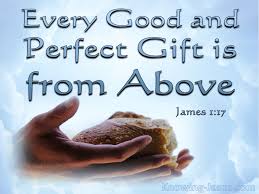
“Every good and perfect gift is from above, coming down from the father…” (James 1:17)
There is one perfect gift. He was born a long time ago in a sleepy little town by the name of Bethlehem. This perfect gift was predicted to come thousands of years before it arrived. Since His arrival this gift has been unopened by millions, more. Have you opened the Perfect Gift?
The perfect gift of Jesus. There is no sense in trying to clever about it.
 From Pity to Praise