
Why I Don’t Watch The News Anymore
3 Benefits you will get from never watching the news again.
Back in time, I used to watch or listen to the news every day I could. Just to keep up with the trends and stay informed. It felt good on one side to be aware of what happens in the world, but on the other side, it made me feel stressed and sad.
I made the difficult decision to quit watching the news for a while, then go back and see if I missed anything. Guess what? I didn’t miss anything. It was all in my head. It was anxiety and lies.
The world is exactly the same. It didn’t end or stayed just because I didn’t watch the news for a while. But I have to say that it feels amazing not to worry about things that are out of control. From the moment I realized I was wasting my time and my health that’s when I stopped watching the news and it has brought me so many benefits.
Personally I can say if I read the Holy Bible it tells me everything I need to know about what’s going on in the world today without all the propaganda.
Here are 3 of the benefits you get from not watching the news.
Peace Of Mind
This is the most important benefit I received from never watching the news again. With so many people these days struggling with mental health, it imperative to achieve this state of mind. Without it, you simply can not cope with what life throws at you over and over again.
The reason why I decided to put my mental health first is because I watched other’s destroy theirs, and I don’t want to return to the poor mental I’ve had in the past, and I can see it destroying the lives of so many others. Part of the reason why people struggle with frustration, anxiety, and sadness was because of the never ending atrocities that are being preached on the news.
I have a family member who only watches a certain news channel every day and I have seen her go from a bubbly sweet person she was to a mean arrogant sarcastic person she is now, she lives doom and gloom every hour of every day.
One I stopped feed the media with my attention and time and that’s when I knew everything would be okay. I felt calmer, happier, and more resilient. I will never put my mental health in harms way by watching the news.
“Set peace of mind as your highest goal, and organize your life around it.” – Brain Tracy
Living In The Present
Since I stopped watching the news my mind is focused solely on the present moment. I don’t find myself anymore trying to think about the future. When I was watching the news before. I was a reactive person. I reacted to everything that happened around me but not anymore.
Now I am proactive, and since I started implementing this approach, I’ve seen some good results. And even if I mess up sometimes, it’s better than being at the mercy of life.
I simply decided to change the narrative. Since I only have the present and nothing else, I embraced it, and I made the best with what I have.
“I believe in living in the present and making each day count. I don’t pay much attention to the past or the future.”- Mathew McConaughey
Self–Awareness
Another benefit I received from never watching the news again, was that I’ve gained more self-awareness. I don’t say I didn’t have anymore, but now I can think 100% for myself without questioning that.
We become so caught up in all this TV mirage that we forget to trust our gut and think for ourselves – without having someone’s opinion of us change our perspective on things.
I don’t ever need to hear from a man or a woman did or didn’t do that. Or a woman incite with a man with way she was dressed and simply got what she deserved. I’m tired of hearing this kind of atrocity.
I am better off without news like that. What I’m saying is that before you start trusting what’s being preached on TV, first try thinking for yourself. Only then you’ll know of what you heard makes sense to you or not. Let’s stop trusting others and start following our gut instead. It never let’s us down.
“Being self-aware is not the absence of mistakes, but the ability to learn and correct them”- Daniel Chidiac
Never watching the news again allowed me to have peace of mind, and I appreciate more of the present. It made me think, outside the box, and finally it made me trust and follow my gut instead. My life has gotten a lot quieter from all the noise that was happening in my mind, and now I can think clearer.
Maybe a little break from the news would make a world of difference for anyone that struggling with what I struggled with.
Live your life to the fullest

What If Really Means To Live Your Life To The Fullest
I’m not the woman who has hit every roller coaster at the theme park. I didn’t go to Yosemite and feel unfulfilled when I didn’t make it to make it to every single site. In fact , I plan to just what I feel like doing in the moment when I’m exploring. I don’t allow my mind to tell me stories about what I should have done. I enjoy what I’m doing in the moment m listen to my energy, and stop when I need to stop.
To live a full life does not mean you went to a party, was loved by all, and died exhausted, but smiling. There is no one-sized fits-all solution for living a full life, just as there’s no regimen that causes a healthy life for everyone. We have caring dispositions, different back grounds, bodies, and desires for our lives. What I think is most important is learning to understand yourself. What affects your energy? Do you need alone time to recharge? Are you constantly out with people because you’re avoiding yourself! Are you always saying no and could use a little yes-ing? Are you always saying yes and could use a little no-ing?
To live life is to be immersed in the human experience.
Living a full life, to me, means that I’m really there for as many moments as possible, that I’m not checked out because I’m burnt out, Thanh I’m not doing things that I should do or whizzing through life checking off all the to-dos. When I’m taking a drive and stop to look at the beautiful art God has given us, see the majestic beauty. I want to stand there in the moment and take in that beauty and really feel myself there, even if that means I don’t get to make it to oceans or waterfalls.
To me, living a full life means that I’m immersed in the human experience.
It means that I don’t repress my emotions because I’m scared of the pain. It means that I let go of the concern of being like others and focus more on me like myself. It means that a give my mind space to see people differently, to see myself differently, and to give everyone benefit of the doubt. It means that I’m willing to say yes when I want to say no because I know that yes will help someone else out. It means that I’m willing to say no if it doesn’t feel like the right thing to do because I know boundaries mean everything when it comes to living a healthy life. It means that I’m willing to put in the hard work when I need to and to walk away when I need to. I means that my life has not been easy, but it’s worth it.
Most people come to this realization too late. They live their lives unconsciously or they live their lives waiting for something to change but they do nothing to change it . On their deathbeds they wuss they had lived the lives their soul was calling for, they wish they had the courage to share their voices, and they wish they had allowed themselves to be happier. We can easily get to our deathbeds by running past all the sites and not really being there. We can stand in a crowd but never be heard. We can smile without really being happy. But we can also choose something different. In this moment right now we can give ourselves lives worth living.
I’m always working on myself, always looking for the lessons I’m learning and the ways in which I can become a better version of myself. I do this with love in my heart and acceptance of who I am.
Common Lies Christians Believe
Maybe God isn’t who you think Be is. Maybe He’s much better. We’ve all heard the actual unbiblical lies.
These cliches may seem innocent, but some are harmful to our faith and keep far to many believers stuck in spiritual immaturity. Learn to encounter these lies with truths about God in the Bible to bring encouragement and freedom to our lives.
Here is a list of lies Christians believe:
- God won’t give me more than I can handle.
- God gained another Angel.
- God just want Me to be happy.
- Follow your heart.
- God really doesn’t care.
- Well, ——- will never change.
- I don’t think God likes me.
- Believe in yourself.
- I just sin a little. God will forgive me.
First of all these statements cannot be found in your Bible. Most people who say it, has never sat down and read God’s word, or claim this say they beard it from others who use them.
My son used to say God won’t give me anything I can’t handle. He heard it at a Bible study for youths he was taking. I explained to him why that was not true.
We have a great God who identifies with us. Jesus knew what it was like to:
- Experience poverty
- Experience exhaustion
- Be betrayed
- Suffer from grief
- Be tempted
- Experience suffering
- Be forsaken by God.
If God let His son go through these things, then why would he take the burden from us.
The truth to move forward with: Sometimes God gives us more than we can handle, but He never gives us more than He can handle through us.
God gained another Angel. No matter how well-intentioned the lie is it’s still a lie. What people need the most on their terrible, horrible, no good, very bad days is the comforting truth of God’s word.
The belief that when we die, we become angels is simply not in the Bible. In fact, in the biblical understanding as humans, we are greater than the angels. God did not send Jesus to die for them.
Truth to move forward with: God is not gaining new angels; rather, He is calling worshippers home.
God just wants us to be happy
The statement that is always the card people play when they want to justify their actions: “I know God just wants me to be happy” This statement is always the excuse people give for ignoring what the scriptures have to say about their particular breach of ethics. It a lie.. Is happiness really the determining factor for everything? Is our happiness the greatest good for the world?
I could never forgive that person
I use to use this statement about my mother. Yes she did horrible things to me. But, I couldn’t be forgiven of my sins until I forgave her.
Jesus said that if you forgive others, God will forgive you; but if you do not forgive others, the God will not forgive you.
The following a book by Shane Pruitt. Showing the lies about forgiveness and how they are lies:
- Forgiveness means that you have to forget.
- Forgiveness means you’re condoning the actions of others.
- Forgiveness means that you have to be a doormat.
- Forgiveness come from an apology.
- Forgiveness is based on the actions of others.
- Forgiveness is easy.
It took me over 20 years before I chose to forgive my mother. And then there were some days when a flood of remembering my childhood I decided I couldn’t forgive her. It was only 5 years ago I started putting flowers on her Burial stone.
Truth to move forward with: If I am going to be a receiver of forgiveness then I must be a giver of forgiveness.
Follow Your Heart
The Bible says a lot about the heart, most of what it says carried a negative ideas. For example, the prophet Jeremiah wrote this: “The heart is deceitful above all things, and desperately sick: who can understanding? (Jeremiah 27:9). Jeremiah pointed out the fallen condition of our hearts “From within, out of the heart of man, come evil thoughts, sexual immortality, theft, murder, adultery, coveting, wickedness, deceit, envy, slander, pride, foolishness. All of these things come from within, and they defile a person.” Mark 7:21-23 says Basically,the most vile and disgusting acts that a human being can be involved with begin in the heart. If a person was described with these characteristics would you follow him?
Truth to move forward with, don’t follow your heart. Follow Jesus.
God really doesn’t care
1 Peter 5:7 says:
Casting all you cares upon Him, for He cares for you.
You are the reason that God sent Jesus to die on the cross, to pay the price for our sins, so that you could redeemed and adopted by Him as His sons and daughters. He loves you.
- God will never leave you nor forsake you.
- You are precious to Him
- You are the apple of His eye.
- He knows the very number of hairs on your head.
- He formed you in your mothers womb.
Truth to move forward with: God has not forgotten you. He remembers you. He is with you.
Well, ——Will never change
I said for a long time if I can become a Christian, anyone can. I felt so strongly against God and any church. If I ever become a Christian kill me. And over 30 years since I’ve been a Christian. I volunteer at a addiction recovery ministry and I have to say some of the people that come through who I never had a chance are Christians. God uses the completely broken people and does amazing things with them. I am living proof of that.
God accepts the way we are, but he won’t leave us where we are. He takes our heart of stone and gives us a heart of flash. He gives us new life and makes us into a new creation.
Truth to move forward with: Nothing is impossible for God. He has the power to change people so they will start living the life He desires for them.
Common Lies

Learn To Respond, Not React
Do you have patience to wait until the mud settles and the water is clear?
Much of our lives is spent in reaction to others and the events around us. The problem is that these reactions might not always be the best course of action, as a result, they can make others unhappy, making things worse for us, make the situation worse.
Why would we want to make things worse?
The truth is, we often react without thinking. It’s a cut reaction, often based on fear and insecurities, and it’s not the most rational or appropriate way to act. Responding, on the other hand, is taking the situation in, and deciding the best course of action based on values such as reason, compassion, cooperation, etc.
Let’s take a quick example:
React: Say your child breaks something because they are angry. You immediately get angry and tell, upsetting the child and yourself, worsening the situation but not making anything better.
Response: Your child breaks something and you notice they are angry because you said “NO” you pause and take a deep breath. Your first response is to check the child to see if their Ok- is the child hurt. Then instead of yelling and upsetting you or your child, maybe sit the child down and calmly discuss why what they did was not right. Or I used to put my child in time out for about 5 minutes, then have the child help clean up. Then give them a hug.
This choice presents itself to us all the time, whether it’s a co-worker being rude or an argument with your spouse, and so on. There will always be external events that bother us, but if we learn to respond and not just react, we can make things better and not worse.
When my husband and used to fight. He would patronize me, and I used to scream at him and start crying and say things I would regret later and then he would hold everything against me. When I used to respond instead or react that we began to solve our problems.
Learn How To Respond
The main thing to learn is mindfulness and the pause.
Mindfulness means watching ourselves when something happens that might normally upset us or trigger some kind of emotional reaction. Pay close attention to how our minds react.
Then pause. We don’t have to act immediately, just because we have an eternal reaction. We can pause not act, breathe. We can watch this urge to act irrationally arise, then let it go away. Sometimes that takes a few seconds, other times it means we should remove ourselves politely from the situation and let ourselves cool down before we respond.
Pause
Now consider what the most intelligent, compassionate response might be. What can we do that will help the relationship, teach, build a better team or partnership, make the situation better, calm everyone down, including ourselves?
At first, we might mess us. But in time you’ll learn to watch your reaction and get better at the pause. Don’t be upset if you mess up-just resolve to be more mindful when it happens next time. Take a personal note of what happened to trigger your reaction, and pay attention when something like that happens again.
Be mindful, pause, then consider a thoughtful, compassionate response.
Ways To Spot A Fake Person
Friends can make life so much better, right? But not all people are the right kinds of friends, that why you need to know how to spot a face nice friend.
Have you ever had friends who go out of their way to help you! Is unnecessarily sweet to you but caught them talking crap behind your back to other people? All you wanted was then to be genuine and straightforward with you but you end up being deceived by them.
Social media had blindfolded us to the point of us being unity distinguished between a fake and a true friend. It’s time to spot your frenemies and let them go.
Here are some ways to spot the nice and from the fake ones:
They Will Accept The “Crazy” You.
The loud in the public or weird dance moves? We all possess some sort of traits that seem odd. But not to that person you call friend/s. They will love you, and not scorn your weirdness.
My odd traits laughing to loud, if something funny happens or is said you know the whole room will here my cackling loud laugh.
2. Despite Their Busy Schedule, They’ll Give You Their Time.
Real friends do that. They will definitely give you a vital place in their life. They will make time for you, no matter what. They’ll join you for coffee or a drink and hang out for a while even after that long tiring day. Not every day, though.
3. They Always Forgive and Forget As Well.
We are only humans. We make mistakes. A good friend will always forgive you, correct you, if need be. A fake one will make sure to bring up your faults one way or another.
4. They Will Stay In Contact With You.
Long-distance friendships are complicated just as long-distance love relationships. A good friend will make sure to text you, call you or skype with you once and a while.
5. Accept Your Choices.
And never criticize them. If they are truly genuine, they will support your choices, your goals and ambitions in life.
5 Ways To Spot A Fake Nice Person.
- They want to be prioritized.
- Gossiping is their favorite pass time.
- They are sarcastic for no reason.
- They are competitive with you.
- They will let you down, always.
How To Help
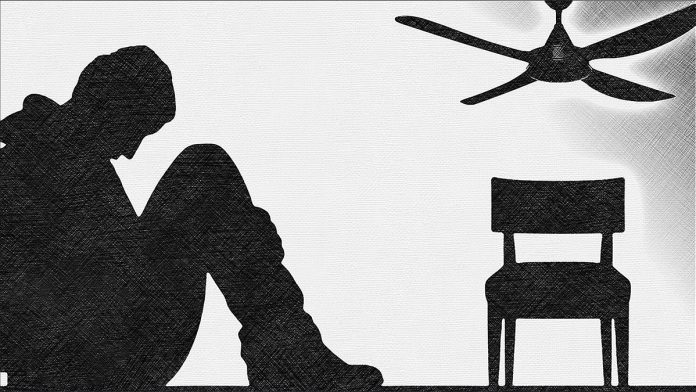
How To Help Someone Who Is Suicidal
Raise your hand if suicide has touched your life. Has a friend, loved one you knew died by suicide? Or perhaps has died from suicides? Or perhaps suicedal ideation is something you deal with yourself.
Suicide Warning Signs:
The rate for suicide in America has grown 300% just in the last year.
- Talking about wanting to die or kill oneself.
- Looking for a way to kill oneself- such as searching online or strange buying habits.
- Talking about feeling hopeless or having no reason to live.
- Talking about feeling trapped or in unbearable pain.
- Talking about being a burden to others.
- Increasing alcohol or drug use.
- Acting anxious or agitated
- Behaving recklessly.
- Sleeping touch or too little.
- Withdrawing or feeling isolated.
- Showing rage or talking about seeking revenge.
- Losing interest in things or losing the ability to experiencing pleasure.
- Giving all their valuables away, for no reason.
How To Save A Life
Don’t be naive enough to believe anyone in your circle of influence has even been suicidal. You can’t help anyone in a crisis if you haven’t done your homework. It is one thing to educate yourself about how to handle a suicidal friend or loved one, but it is another thing to put that knowledge to the test.
When I was suicidal, my husband would always “What would the kids do without you?” it was what I needed at the time to change my mind.
When happens once you have identified a crisis? What steps do you take to intervene and help save a life?
Here are five steps to help someone who is suicidal:
Initiate A Private Conversation. This is not a conversation you want to have at Starbucks. Invite your friend or loved one to a quiet place where they will feel safe enough to share there story. They need to know you care and your feelings for them will not change because they are considering suicide.
Be an active listener. This is the time to use your best listening skills. You will hear things that mat shock you. That shock should never show on your face. You must remain calm. Be an active listener, so you can ask follow up questions to help gauge the urgency of the situation. It is important to remember not everyone experiencing suicidal thought is in immediate danger.
Once you have listened and assessed the situation, express your concerns. This is not the time to shy away from convert about your friend or loved ones suicidal ideation. Talking about suicide does not lead to suicidal completion. They may even feel relieved that someone cared enough to ask the question. Do not pass judgment or guilt-trip them. You will have better results if you make it clear that they have your complete understanding and support.
Encourage them to seek professional help. It is great you are supporting b your friend or loved one, but remember you are not a mental health professional. This is the time to suggest they seek professional help. The first step toward help is the hardest. You can make that first step a little less daunting by helping them schedule an appointment and offering transportation to the appointment.
If the suicidal ideation escalates, take action. Once you have concluded that there is an emergency, here are your next steps:
Stay with them (as long as you are not in any danger)
Help then remove lethal means.
Call the National Suicide Prevention Lifeline at 1-800-273-8255 or text talk to the crisis text line at 741741. Help is available 24/7.
Bring them to the emergency room or call 91.
Do everything in your power to help your friend or loved one to get professional help, but remove yourself from any situation the endangers your personal safety.
Take Away.
I hope today’s post helps you internalize the importance of speaking up when you are face to face with someone who is contemplating suicide. It will not be an east convert, but it will be a necessary one.
Please keeps in mind that a suicidal crisis does not last forever. Your intervention can save a life. The person may be angry with you in that moments, but they will feel differently when the crisis is over, and they have received help.
What Is Important About Pentecost?
The significance of Pentecost.
Pentecost is a very important feast for any Christian Church. This is because it marks the descent of the Holy Spirit, the third person of the Blessed Trinity, on the Apostles and Mary, the Mother of the Lord Jesus Christ. Pentecost happens fifty days after easter every year.
If you recall in the Bible that before the Ascension of Christ to heaven, He admonished His disciples to wait patiently for the Holy Spirit, who would come the energize and embolden them and also remind them of all the things Christ had told them while earth. Who is the Holy Spirit? He is known as the giver of life that proceeds from the Father.
As the Bible tells us the disciples were in the upper room worshiping and praying, when something amazing happened. There was a loud noise and the Holy Spirit descended on each of them like tongues of fire they began to speak in different languages to the astonishment of all. Now armed with divine light that enables to know the Father, once timid disciples began to proclaim the gospel with renewed vigor, accompanied by signs and wonders.
Last night I was rereading the scriptures of Pentecost. While yesterday was terribly windy. I was complaining to God how much I hated the wind. He gave me a word it was “When do you hear my spirit in the wind? My answer was never, I never hear your spirit, I am to busy trying to get out of the wind and complaining about it.
I said my prayers and went to sleep, evidently, God was not finished with me. About an hour into sleeping God woke me up asking the same question, “When do you hear my spirit in the wind?” I immediately woke up, got out and I walked outside to list to the wind. I came back in sat down at my table and began writing:
When was the last time your heard the wind of my spirit roar and the fire light up this place? When was the last time you took me at my word and met together expecting of my spirit filling up this place and these lives with God’s Glory and Power?
Lord challenge us with Pentecost. Do we believe that this was once an eternity experience never? to be repeated? That the Holy Spirit was poured out on your followers for a single purpose and ended His work at the instant? If so then maybe that is why the church seems so powerless in this age, helpless when faced with the needs both spiritually and physical, that we see the whole Lord as we meet together and celebrate once again the memory of the first Penticost, mat it is for us as it was for them a moment of empowerment, an awareness of the Glory in this dark world a life changing experience.
May everyone feel the Glory of Pentecost with a life-changing experience.
Happy Pentecost Sunday
What Is Pentecost Sunday

 From Pity to Praise