
Signs You Grew Up With Childhood Emotional Neglect
Feelings of Emptiness
Emptiness feels different for different people. For some, it’s an empty feeling in your belly, chest or throat the comes and goes. For other’s it’s numbness. Mine was a empty feeling in my belly that, no matter what couldn’t be filled.
Fear of being dependent
It’s one thing to be an independent kind of person. But feeling deeply uncomfortable about depending on anyone is another thing altogether. If you find yourself taking great care to not need help, support or care from others, you may have this fear.
Unrealistic self- appraisal
Do you find it hard to know what you are capable of? I still feel today that I have no affect on people around me. No matter what I say or do it doesn’t affect them, I have to be really careful what I say around people because sometimes I say something that affects them and don’t even realize I’m doing it. Because I feel and think differently than most people. What are your strengths and weaknesses? What do you like? Struggling to answer these questions is a sign that you don’t know yourself as well as you should.
No compassion for yourself, plenty for others.
Are you harder on yourself than you would ever be on a friend? Do others talk to you about their problems, but it’s hard for you so share yours.
Guilt, shame, self-directed anger, and blame.
Guilt, shame, anger, and blame; The Fabulous Four, all directed at yourself. Some people have a tendency to go straight to guilt and same whenever a negative event happens in their lives. (This was a tough one for me because once I was told I was worthless so many times it kinda became a natural habit for me after 19 years it got stuck in my head.)
Do you ever feel ashamed of things that most people would never be ashamed of. Like having needs, making mistakes, or having feelings.
Feeling fatally flawed.
This is that deep sense I talked about above. You know that something is wrong in your life but you can’t pinpoint what it is. “It’s me,” you say to yourself, and you feel like it’s true. I’m not likable, I’m different that other people. Something is different. I have found that I am different than other people, I have people say to me all the time “I think you deeply.” I am kind to everyone because I know what it’s like to be hurt, and no-one should ever have to feel that way.
Difficulty feeling, identifying, managing and/ or expressing emotions.
Do you get tongue-tied, undervalue or under-respond to their child’s emotions inadvertently convey a powerful, subliminal message to the child: “Your feelings don’t matter.
To cope as a child, you naturally push your emotions down, to keep them from becoming a problem in your childhood home.
Then as a adult, you are living without access to your emotions: your emotions, which should be directing, guiding, informing, connecting, and enriching your emotions, which should be telling you who matters to you and what matters of you, and why.
Once you understand the reason for your forever flaw and how it came about, you can heal from your Childhood Emotional Neglect by attacking it. You can establish a new pipeline to your emotions. You can learn the skills to use.
You we be finally accept that your feelings are real and they do matter. You matter too.
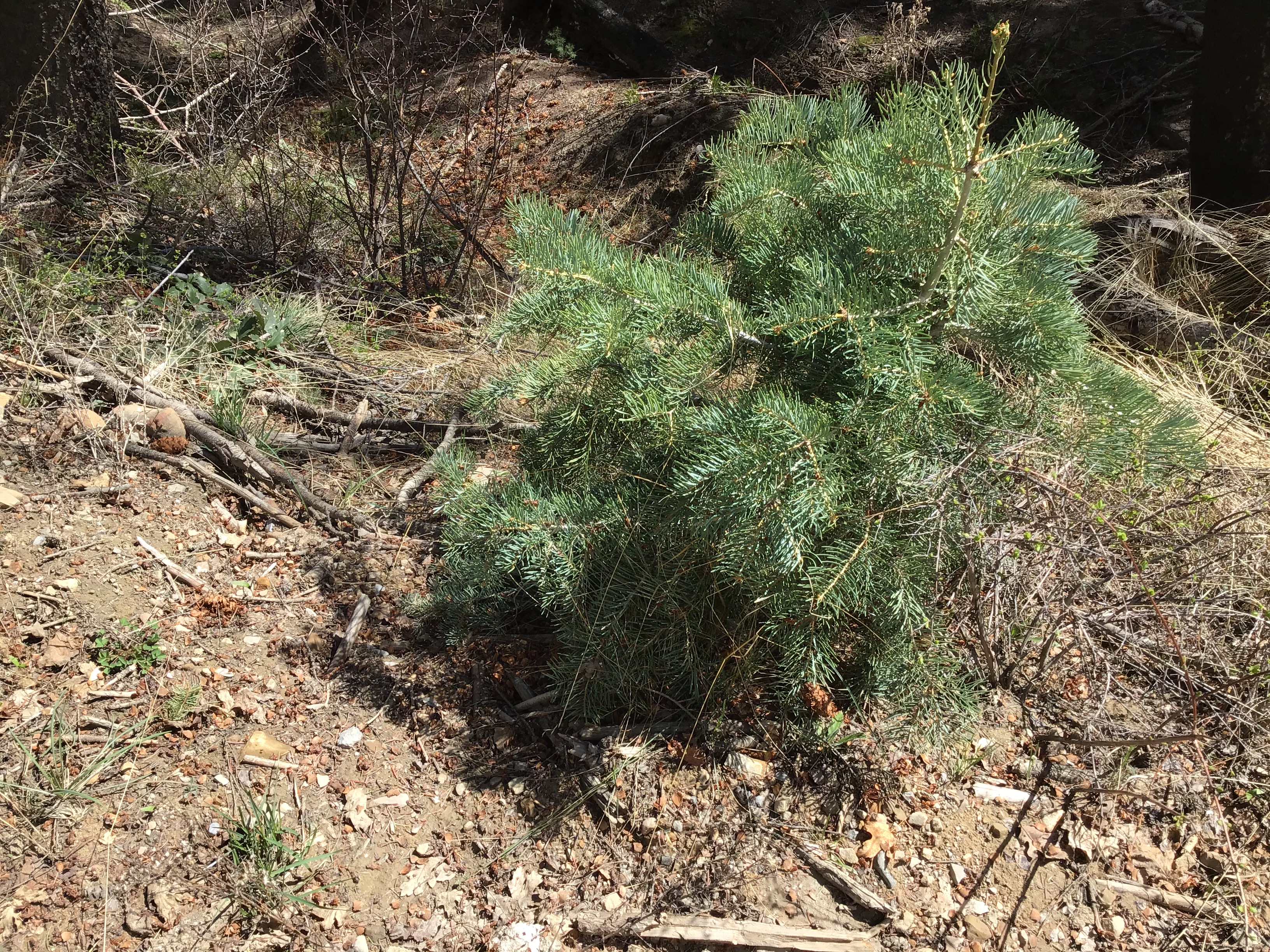
New pine Tree
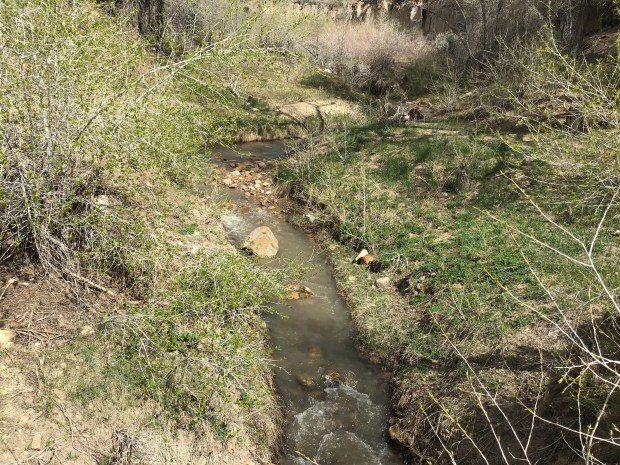
Consumers Road in Carbon County Utah
What does a Boundary look like continued
The Bible tells us clearly what are boundaries are and how to protect them, but often our family, or other past relationships, confuses us about our parameters.
In addition to showing us what we are responsible for boundaries help us define what is and is not on our property and what we are not responsible for. We are not responsible. We are not, for example, responsible for other people. Nowhere’s are we commanded to have other-control although we spend a lot of time and energy trying to get it.
To and For:
We are responsible to others and for ourselves. Carry each other’s burdens says Galatians 6;2 and this is the way you will fulfill the law of Christ. This verse shows our responsibility to one another.
Many times others have burdens that are too big to bear. They do not have enough strength, resources, or knowledge to carry the load, and they need help. On the other hand verse 5 tells up each one should carry his own load. Everyone has responsibilities that only he or she can carry. These things are our own particular load that we need to rake responsibly for and work out. No one can do certain things for us. We have to take ownership of certain things for us. We have to take ownership of certain aspects of life that are our own load.
Good in Bad out:
My son was in the service and he always says this is what they told him. Good in- Bad out. As per eating if you eat Good- good will come out- if you eat bad- bad will come out. I automatically think of this when I hear this.
Boundaries help us to distinguish our property so that we are careful of it. They help us to guard our heart with all diligence. We need to keep things that will nurture us inside our fences and keep things that harm us outside. In short boundaries help us keep the good in and the bad out. They guard our treasures so that people will not steal them. They keep pearls inside and the pigs outside.
Sometimes, we have the bad on the inside and the good on the inside. In these instances, we need to be able to open up our boundaries to let the good in and the bad out. In other words, our fences need gates on them. For example, if I find that I have some pain or sin within, I need to open up and communicate it to God and others, so I can be healed. Confusing pain and sin helps to get it out so that it does not continue to poison me on the inside. And when the good is on the outside our gates and let it in.
Jesus speaks of this phenomenon in receiving him and his truth ( Rev. 3;20 John 1;12.) other people have good things to give us, and we need open up to them. Often we will close our boundaries to good things from others, staying in a state of deprivation. We need to set boundaries not walls.
What does a boundary look like?
Invisible Property Lines and Responsibility- in the physical world boundaries are easy to see. Fences, signs, walls, moats with alligators, manicured lawns, or hedges are all physical boundaries. In there differing appearances, they give the same message: this is where my property begins. The owner of the property is legally responsible for what happens on his or her property. Non-owners are not responsible for the property.
Physical boundaries mark a visible property line that someone holds the deed to. You can go to the county courthouse and find out exactly where those boundaries or responsibility are and whom to call if you have business there.
In a spiritual world, boundaries are just as real, but often harder to see. The goal here is to define intangible boundaries and to recognize them as an everpresent reality, these boundaries define your soul, and they help you guard it and maintain it. (Prob. 4; 23)
Me and not me
Boundaries define us. They define what is me and what is not me. A boundary shows me where I end and someone else begins, leading me to a sense of ownership.
Knowing what I am to own and take responsibility for gives me freedom. I know where my yard begins and ends. I am free to do with it what I like. Taking responsibility for my life opens up many different options. However, if I do not own my life, my choices and options become very limited.
Think how confusing it would be if someone told you to guard this property diligently, because I will hold you responsible for what happens here, and then did not tell you the boundaries of the property or they did not give you the means in which to protect the property? This would be confusing but also potentially dangerous.
This is what happens to us emotionally and spiritually, however. God designed a world where we all live within ourselves, that is inhabit our own souls and we are responsible for the things that make up “us”. The heart knows it’s own bitterness, and no one shares it’s joy (Prov 14; 10). We have to deal with what’s in our soul, boundaries help us define what it is. It we are not shown the parameters, or taught wrong parameters we are in mouth pain.
I will write more on this subject later.
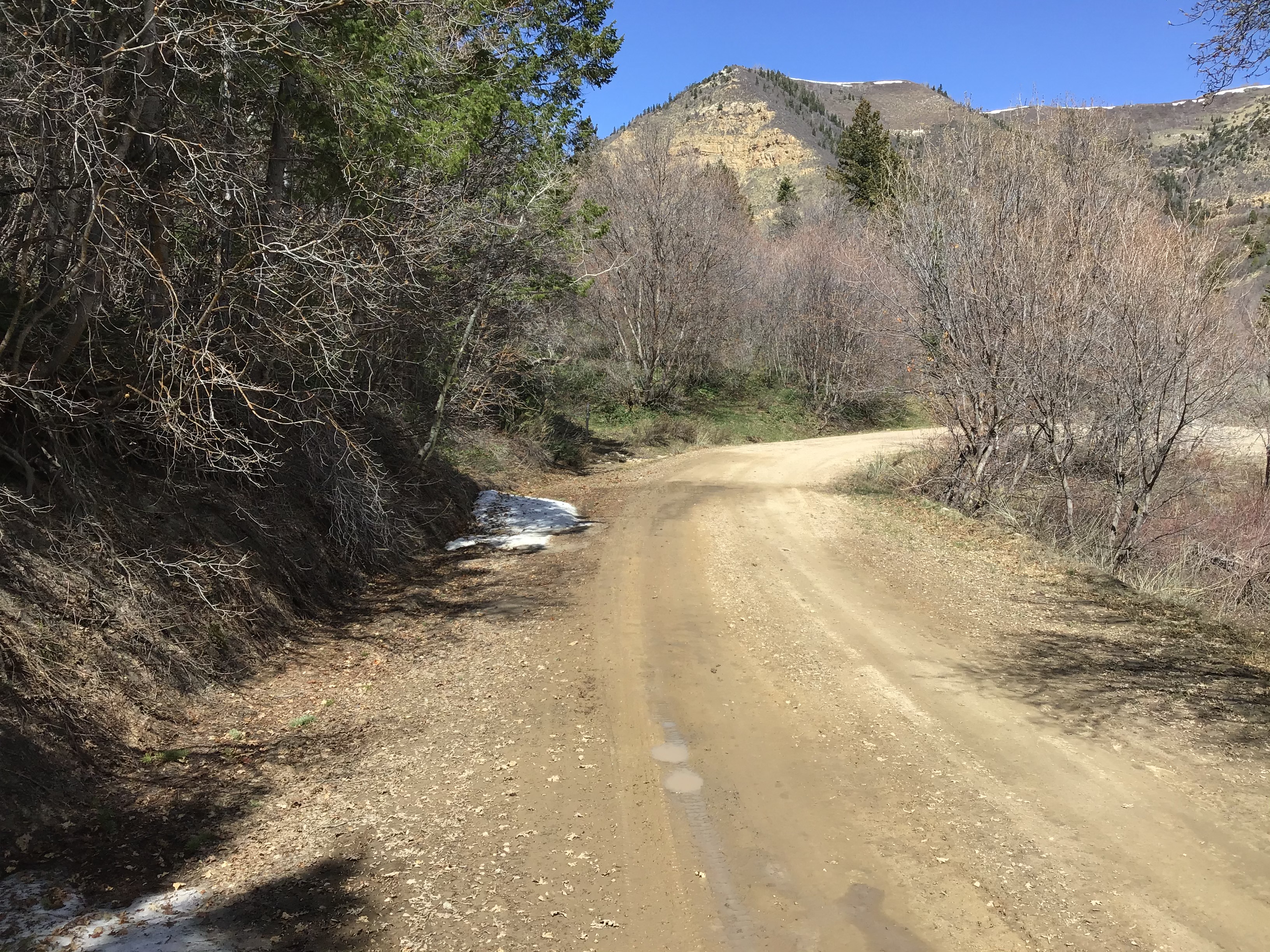
Mountain View from Consumers Rd in Carbon County
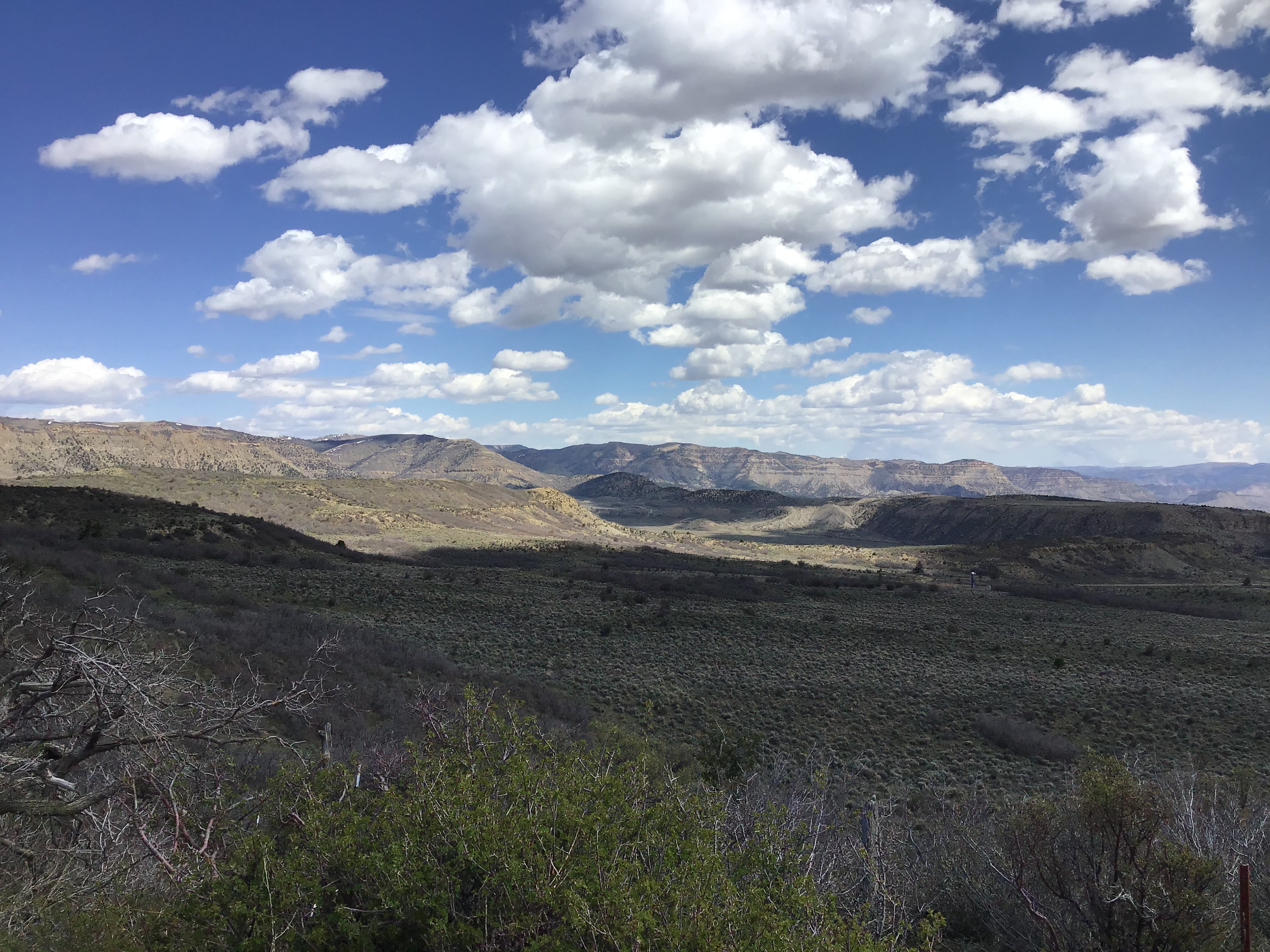
Look at those Cotton Candy Clouds.
Healing the Mother Wound
Emotional Neglect
It is possible to heal from the pain of having an emotionally absent mother and/ or self-absorbed mother.
Acknowledge that emotional absence was not your fault. Your mother (I say mother cause it was my mother who neglected/abused me. It could very well be a Father). Was not emotionally available because of something in your childhood. I think I looked like someone my mother was abused by or disliked. It was not because you were not good enough or unlovable. If your mother was emotionally absent and/or critical of you you are/were nor responsible for her behavior. She was the responsible adult. You deserved love and being cared for as a child and also as an adult.
See your mother as she is, not as the person you would like her to be.
It is very painful to come to accept and let go of the hope that one day your mother may change and be the loving and cuddly mother you always hoped for. This wish may keep you in a very anxious and depressed place, as your wish is never fulfilled and you continue to hope for a change but continue to experience emotional absence by your mother.
When you learn to accept that your mother is only able to give you as much as she can, your healing can start and you can have a relationship with her.
Sometimes a relationship isn’t possible. In my case I had had the emotional abuse as well as some physical abuse. Even as I accepted the way she was I never trusted her and you cannot have a relationship if you don’t have trust. Sure If she needed anything I would do it for her, but that’s as far as it went. I never let my own children be alone with her for any length of time. I talked to her but it was as strangers would talk not as mother and daughter.
You have to decide what kind of relationship though would like to have with her (if any) have with her-Reflect on the emotional impact of both having a relationship with her and not having her in her life.
Allow yourself to grief the absence of an emotionally engaged mother. Let yourself feel pain of feeling unloved as a child. Express the pain by talking, painting, writing, or in any way that comes naturally to you. It’s okay to have mixed feelings about your mother for wanting her attention and love (this is our survival instinct as children) while feeling angry towards her and hurt for her being able to prioritize your emotional needs as a child. Acknowledge all you feelings.
Get to know yourself, you may struggle to understand what you want or need , and often seek guidance from other people to the extent that it is very confusing for you.
What are you emotional, physical, safety, self-development, spiritual, and social needs. Pay attention to your emotional experiences. You may struggle to understand your feelings and they are vital for you to understand who you are and what you need.
Stop and listen to your body, what is the emotion you experience and how does it feel in your body? Learn to name your feelings but slowing down and taking time to reflect on them.
Develop self-soothing skills, when our caregivers (mothers) didn’t provide us with soothing as children and we experienced emotional absence we can learn these skills as an adult. We have an innate ability within our body to regulate ourselves. For example, spending time in nature and fully immersing yourself in yourself in your experience can teach you about self-soothing and regulation. Use all your senses to take in soothing experiences offered by nature.
Take a mindful walk in nature focusing on your sensory experiences. Practice deep breathing focusing on your exhale aiming to inhale it for as long as you can counting up to 9 or even 11 seconds when exhaling.
Mindfulness and guided visualization/ meditation surround yourself with beautiful pictures, objects, and scents that help you relax. Listen to music that makes you slow down and relaxes you. Watch funny things that make you laugh.
Be kind to yourself, you may be very critical of yourself and blame yourself for things that either go wrong or even for things that are not to do with you.
Self-compassion, be your own best friend, what would you say to a dear friend in a given situation? Acknowledge that suffering is universal, you are not alone with your pain. Be mindful of your feelings, acknowledge them but do not over identify and get stuck with them.
Coal mines and railroad service (originally known as the National Coal Railway.
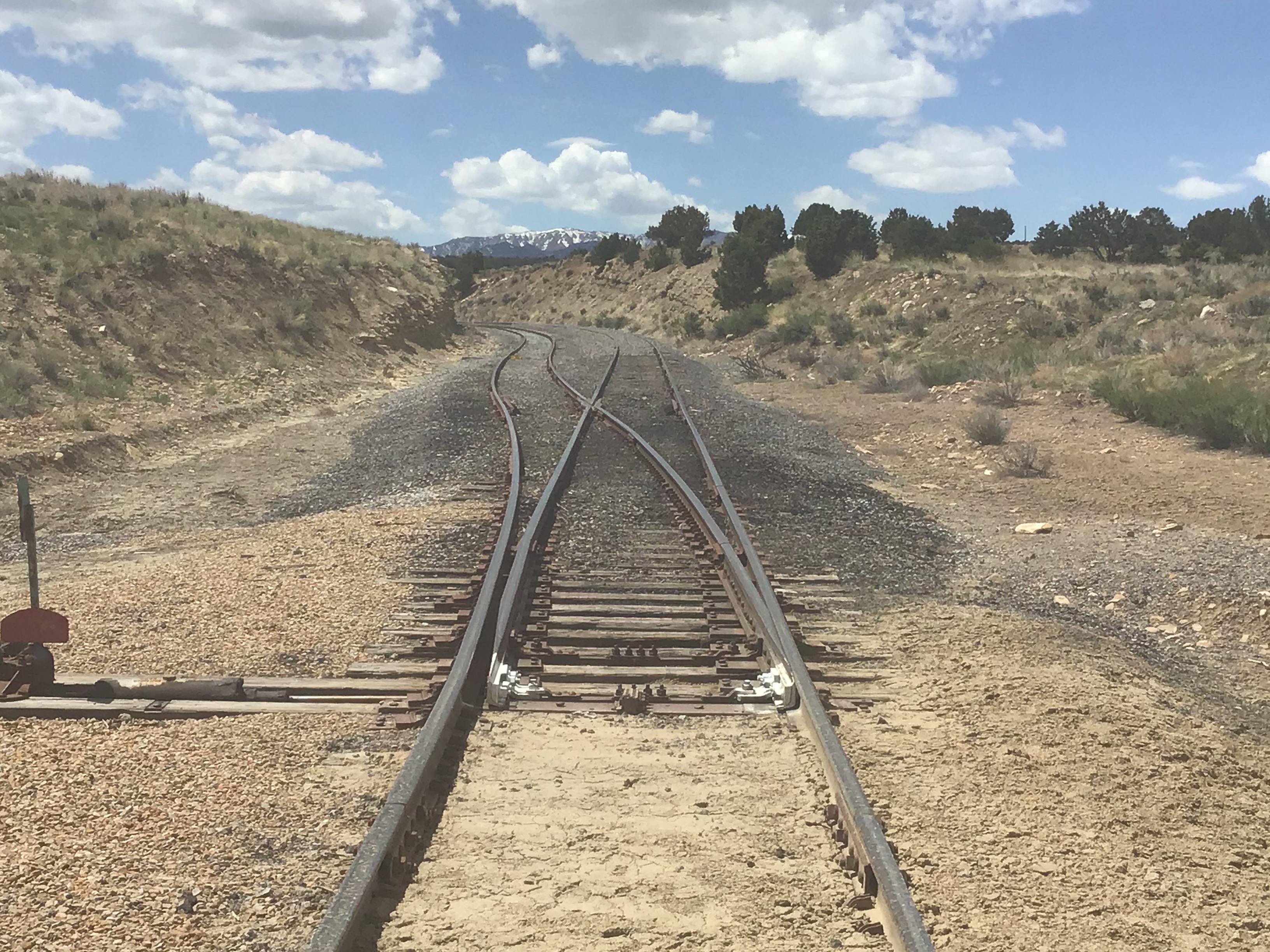
Coal was first mined as early as 1907 where row streams of coal seams of seven feet each showed at the surface.
About Emotional Neglect
Shouldn’t I feel happier and more fulfilled? My life lacks meaning. Sometimes I feel like I’m on the outside looking in at others who are truly living. Why do I struggle so much with self-discipline? What is wrong with me?
Almost everyone realizes that what happens to us in childhood has an effort who we become as adults. The good and the bad: awards, accomplishments, mistreatment or abuse. It all has an impact.
But, there is another factor from childhood which has an equal or even greater effect than childhood events, like awards, mistreatments or abuse. This is a fact that people can’t see or remember. It’s invisible. It’s Emotional Neglect.
It’s a parent’s failure to respond enough to a child’s emotional needs. Emotional Neglect is in some ways opposite of mistreatment and abuse. Whereas mistreatment and abuse are parental acts, Emotional Neglect is a parent’s failure to act. It’s a failure to notice, attend to, or respond to a child’s feelings. Because it’s an act of omission, it’s not visible, noticeable, or memorable.
Emotional Neglect is the white space in the family picture; the background rather than the foreground. It is insidious and overlooked while it does it’s silent damage to people’s lives.
Children who are emotionally neglected grow up to have a particular set of struggles. Because their emotions were not validated as children, they may have difficulty knowing and trusting their own emotions as adults. They may have difficulty understanding their own feelings, as well as others. Because an important part of themselves ( their emotional self) has been denied, they may find themselves feeling disconnected, unfulfilled, or empty. I felt disconnected for years, not know where I belonged or even if I belonged. I filled that hole of emptiness up with alcohol and drugs. They may have difficulty trusting or relying on others. I felt different from other people; like something was wrong with me but not knowing what it was. I know now Alcohol and Drugs were not the answer. And knew there was a better answer.
Another way that parents can unwittingly emotionally neglect their child is to fail to give then structure and rules to live by, like consequences and discipline. I grew to know if I didn’t talk and stayed out of my moms sight. I could do anything I wanted, she didn’t care about me anyway. However, as a result, the emotionally neglected often struggle with self- discipline.
Whatever the level of parental failure, the emotional neglected have no childhood memories to explain their difficulties. So, to often, they blame themselves.
To this day, Emotional Neglect has been overlooked. Because it’s invisible, unmemorable, and the absence of something (emotional validation) it has been greatly overshadowed by more visible, but also worthy topics, like childhood events, abuse, or trauma.
Today I am doing better. I still struggle with self-discipline, I don’t talk much, I am just different than everyone else. I have had to come to terms with that. If I get upset with someone or something I have to walk away. I have realized that I am not my mothers sin, why should I live like I am. I am different but I am beautiful and comfortable with who I am.
Don’t know where it comes from, don’t know where it’s going…

 From Pity to Praise